Urinary Incontinence (Loss of Urine Control): Causes, Symptoms & Treatment
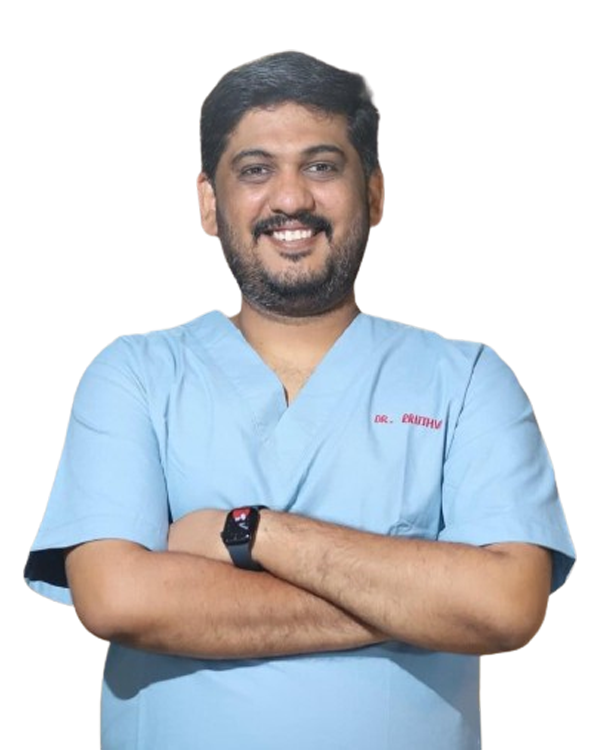
Urinary incontinence, or loss of bladder control, is a common condition that affects both men and women, leading to unintentional urine leakage. It can significantly impact daily life, confidence, and overall well-being. Dr. Pruthvi Raj Honnaiah, an expert in urology and bladder health, provides comprehensive evaluation and advanced treatment options to help patients regain bladder control and improve quality of life.
Types & Causes of Urinary Incontinence
Urinary incontinence can occur due to various bladder, nerve, and muscle-related issues. The main types include:
- Stress Incontinence: Occurs when physical activities like coughing, sneezing, laughing, or lifting put pressure on the bladder. Common in women after childbirth or menopause due to weakened pelvic floor muscles. Can also occur in men after prostate surgery.
- Urge Incontinence (Overactive Bladder - OAB): Characterized by sudden, intense urges to urinate, followed by involuntary leakage. Often caused by bladder muscle overactivity, nerve damage, infections, or neurological disorders (e.g., Parkinson’s, stroke).
- Overflow Incontinence: Happens when the bladder doesn’t empty completely, leading to constant dribbling of urine. Common in men with enlarged prostate (BPH) or individuals with nerve damage from diabetes, spinal cord injuries, or multiple sclerosis.
- Functional Incontinence: Occurs when a person cannot reach the bathroom in time due to physical or cognitive conditions (e.g., arthritis, dementia).
Symptoms of Urinary Incontinence
Symptoms depend on the type and severity of urinary incontinence. Common signs include:
- Frequent urine leakage during activities or movements.
- Sudden, uncontrollable urge to urinate.
- Dribbling of urine after urination.
- Nocturia (frequent urination at night).
- Recurrent urinary tract infections (UTIs).
Diagnosis of Urinary Incontinence
At Dr. Pruthvi Raj’s clinic, a thorough evaluation is performed to determine the cause and type of incontinence. Diagnostic tests may include:
- Urinalysis & Urine Culture: Detects infections or other abnormalities.
- Bladder Diary: Tracks fluid intake, urination patterns, and leakage episodes.
- Uroflowmetry & Post-Void Residual Test: Measures urine flow and checks for incomplete bladder emptying.
- Urodynamic Studies: Assesses bladder pressure and function.
- Cystoscopy: A small camera examines the bladder for structural issues.
Treatment Options for Urinary Incontinence
Treatment depends on the type and severity of incontinence. Options include:
- Lifestyle Modifications & Bladder Training:
- Pelvic floor exercises (Kegels): Strengthen bladder muscles, especially for stress incontinence.
- Bladder training: Techniques to gradually increase the time between urination.
- Dietary changes: Avoiding caffeine, alcohol, and spicy foods that irritate the bladder.
- Weight management: Reducing excess weight relieves bladder pressure.
- Medications:
- Anticholinergics & Beta-3 Agonists: Help control overactive bladder.
- Alpha-blockers: Improve urine flow in men with prostate-related incontinence.
- Topical estrogen (for women): Strengthens urethral tissues post-menopause.
- Minimally Invasive & Surgical Treatments:
- Botox Injections: Helps relax an overactive bladder, reducing urgency and frequency.
- Nerve Stimulation Therapy: Uses electrical impulses to regulate bladder function.
- Sling Surgery: Supports the urethra in stress incontinence cases.
- Artificial Urinary Sphincter: A device used in men with severe incontinence after prostate surgery.
Why Choose Dr. Pruthvi Raj for Urinary Incontinence Treatment?
With expertise in urology, bladder health, and minimally invasive procedures, Dr. Pruthvi Raj Honnaiah offers personalized treatment plans to help patients regain bladder control and confidence. His approach focuses on accurate diagnosis, lifestyle guidance, and advanced therapies for long-term relief.
