Evaluation of Overactive and Underactive Bladder
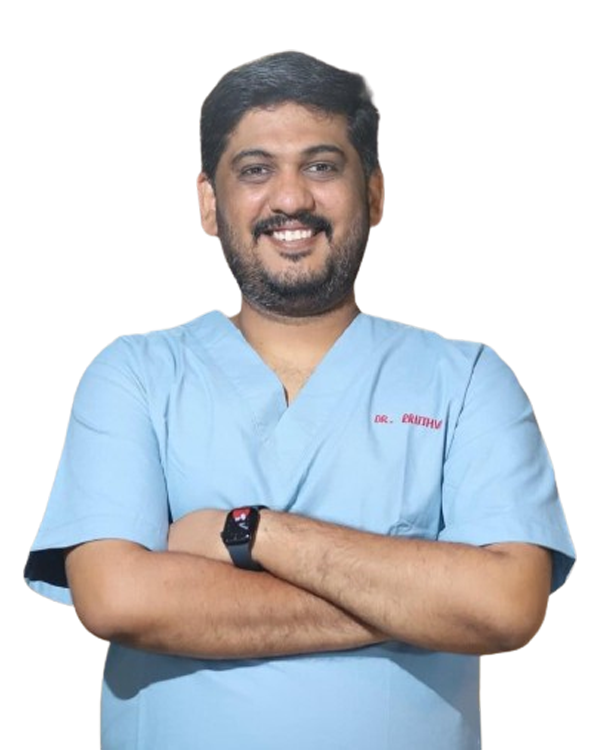
Bladder dysfunction, including overactive and underactive bladder conditions, can significantly impact a person's quality of life. Both conditions involve abnormal bladder function but differ in their symptoms and underlying causes. At Dr. Pruthvi Raj Honnaiah’s clinic, we provide comprehensive evaluation and personalized treatment options for patients suffering from bladder issues.
Understanding Overactive Bladder (OAB)
Overactive bladder (OAB) is a condition characterized by frequent and urgent urination, often accompanied by involuntary leakage of urine. Patients with OAB may experience:
- Urgency to urinate that is difficult to control
- Frequent urination (more than eight times a day)
- Incontinence or leakage of urine (urge incontinence)
- Nighttime urination (nocturia)
Overactive bladder may be caused by various factors such as bladder muscle overactivity, nerve problems, urinary tract infections, or hormonal changes. It can be particularly common in older adults but can affect individuals of all ages.
Understanding Underactive Bladder
Underactive bladder, on the other hand, is characterized by a difficulty in emptying the bladder completely. Patients may experience:
- Difficulty starting urination
- Weak or interrupted urine stream
- Infrequent urination or inability to urinate
- Complete inability to empty the bladder (urinary retention)
This condition may be caused by nerve damage, weakened bladder muscles, or obstruction within the urinary tract. Underactive bladder may result in urinary retention, leading to infections, bladder distension, and kidney damage if left untreated.
Evaluation of Overactive and Underactive Bladder
The evaluation of bladder dysfunction, whether overactive or underactive, begins with a thorough assessment of the patient’s symptoms and medical history. The diagnostic process typically includes:
- Medical History Review: A comprehensive review of symptoms, lifestyle factors, and any previous medical conditions or surgeries. This helps identify potential causes such as infections, diabetes, or neurological disorders.
- Symptom Diary: Patients may be asked to maintain a bladder diary, documenting the frequency of urination, any incontinence episodes, and fluid intake over several days. This helps track patterns and identify any abnormal trends.
- Physical Examination: A pelvic exam (in females) or abdominal exam to check for signs of bladder distension, tenderness, or abnormal masses that might contribute to bladder dysfunction.
- Urinalysis: A urine sample may be collected to test for infections, blood, or other abnormalities that could indicate an underlying condition affecting bladder function.
- Post-Void Residual (PVR) Measurement: This test measures the amount of urine left in the bladder after urination. A high amount suggests incomplete emptying of the bladder, which is indicative of underactive bladder.
- Bladder Ultrasound: A non-invasive imaging technique to assess bladder volume, residual urine, and other structural issues.
- Cystometry: A test to measure bladder pressure and capacity. This test is especially useful for diagnosing overactive bladder, as it can detect bladder muscle overactivity or nerve dysfunction.
- Urodynamics Testing: A series of tests that measure how well the bladder and urethra are storing and releasing urine. Urodynamics can evaluate both overactive and underactive bladder conditions by assessing bladder pressure, capacity, and flow rates.
- Uroflowmetry: This test measures the flow rate of urine during urination. It helps determine whether the bladder is emptying properly and can indicate whether there is obstruction or underactive bladder.
Treatment for Overactive Bladder
Treatment options for overactive bladder depend on the severity of symptoms and the underlying cause. Common approaches include:
- Behavioral Therapies: Techniques like bladder training and scheduled voiding to help retrain the bladder and reduce urgency and frequency.
- Pelvic Floor Exercises: Strengthening the pelvic floor muscles (Kegel exercises) can help control bladder contractions and prevent leakage.
- Medications: Anticholinergic medications, beta-3 adrenergic agonists, and other drugs can help reduce bladder muscle spasms and decrease the frequency of urination.
- Botox Injections: Botox injections into the bladder muscle may help relax the bladder and reduce involuntary contractions in patients who do not respond to other treatments.
- Electrical Stimulation: Electrical nerve stimulation may help improve bladder control by stimulating nerves that control bladder function.
- Surgical Options: In severe cases, surgical options like bladder augmentation or the implantation of a sacral nerve stimulator may be considered.
Treatment for Underactive Bladder
The treatment of underactive bladder focuses on improving bladder emptying and addressing the underlying cause. Common treatments include:
- Catheterization: Intermittent catheterization may be required to empty the bladder if the patient is unable to do so on their own.
- Medications: Medications like alpha-blockers or cholinergic drugs can help improve bladder muscle function and promote more complete emptying.
- Neurostimulation: Neuromodulation techniques, such as sacral nerve stimulation, may help enhance bladder muscle activity and improve bladder emptying.
- Surgical Intervention: In some cases, surgical treatments such as bladder augmentation or urinary diversion may be necessary to manage urinary retention.
Why Choose Dr. Pruthvi Raj Honnaiah’s Clinic?
At Dr. Pruthvi Raj Honnaiah’s clinic, we specialize in diagnosing and treating both overactive and underactive bladder conditions. We utilize advanced diagnostic tools and personalized treatment strategies to address bladder dysfunction effectively, ensuring improved outcomes and enhanced quality of life for our patients.
